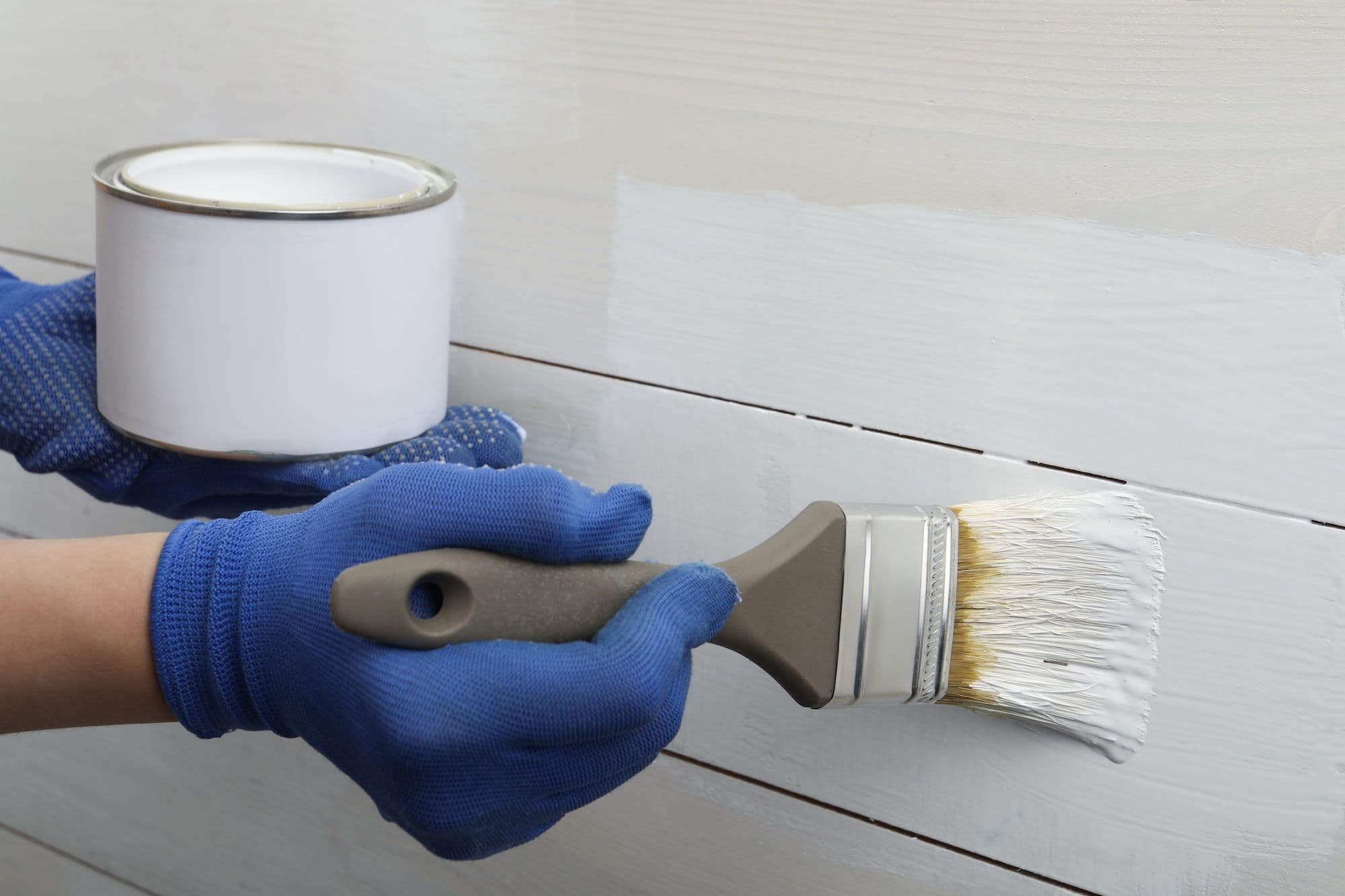
When a tile colour isn’t to your preference or the surface has some imperfections, applying a coat of paint seems like the fastest solution.
Painting over tiles is one of those ideas that sounds good on paper. It's cheaper than re-tiling, faster than a full renovation and it requires no demolition.
However, just because it’s possible to paint over tiles, does that mean it’s ever the right call?
The team here at Parkside Architectural Tiles are here to explain the consequences of painting tiles from a technical perspective.
Read our advice to help ensure that before you go ahead with painting over a tile, you understand the differences between residential and commercial contexts.
Most importantly, why in the majority of cases, replacing rather than painting the tile is often the best call.
Painting Tiles: An Overview
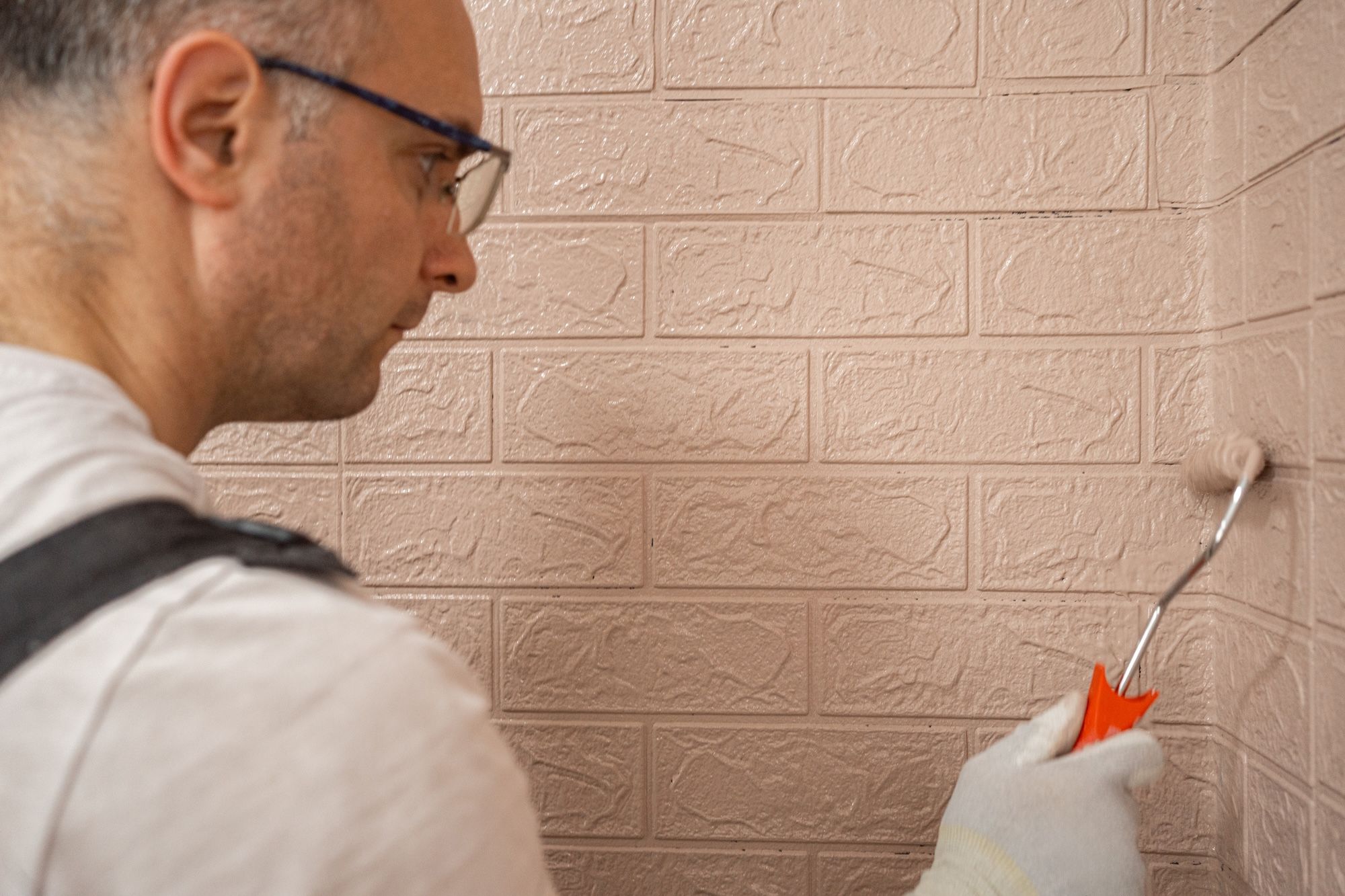
Yes, you can paint over tiles. That is, in the sense you can apply paint over a tiled surface whether it be on your walls or floors.
Similar to painting any other potentially tricky surface, you should use certified tile paint, rather than the standard paint used for walls or ceilings.
The products available for the job range from floor tile paint to wall tile paint. Speciality tile paint can also be found geared for different environments, such as bathroom tile paint for high-moisture settings. There is also outdoor patio tile paint that is UV stabilised.
However, the main thing to know about applying paint to the surface of a tile is that the paint won’t just change the colour of the tile, but also the properties of the tile itself.
In short, this means any surface contaminants (i.e. water) or impact (i.e. footsteps) will now come into contact with the layer of paint, rather than the tile. Since tiles and paint are intended to perform very different functions, that can soon lead to a host of issues.
As you might expect, the consequences of painting a tile can look very different, depending on whether you are a DIY homeowner or if the tiles are in a commercial setting.
Even if you are looking to paint over tiles at home, you may still learn a lot from reading our commercial application advice below.
Residential Applications
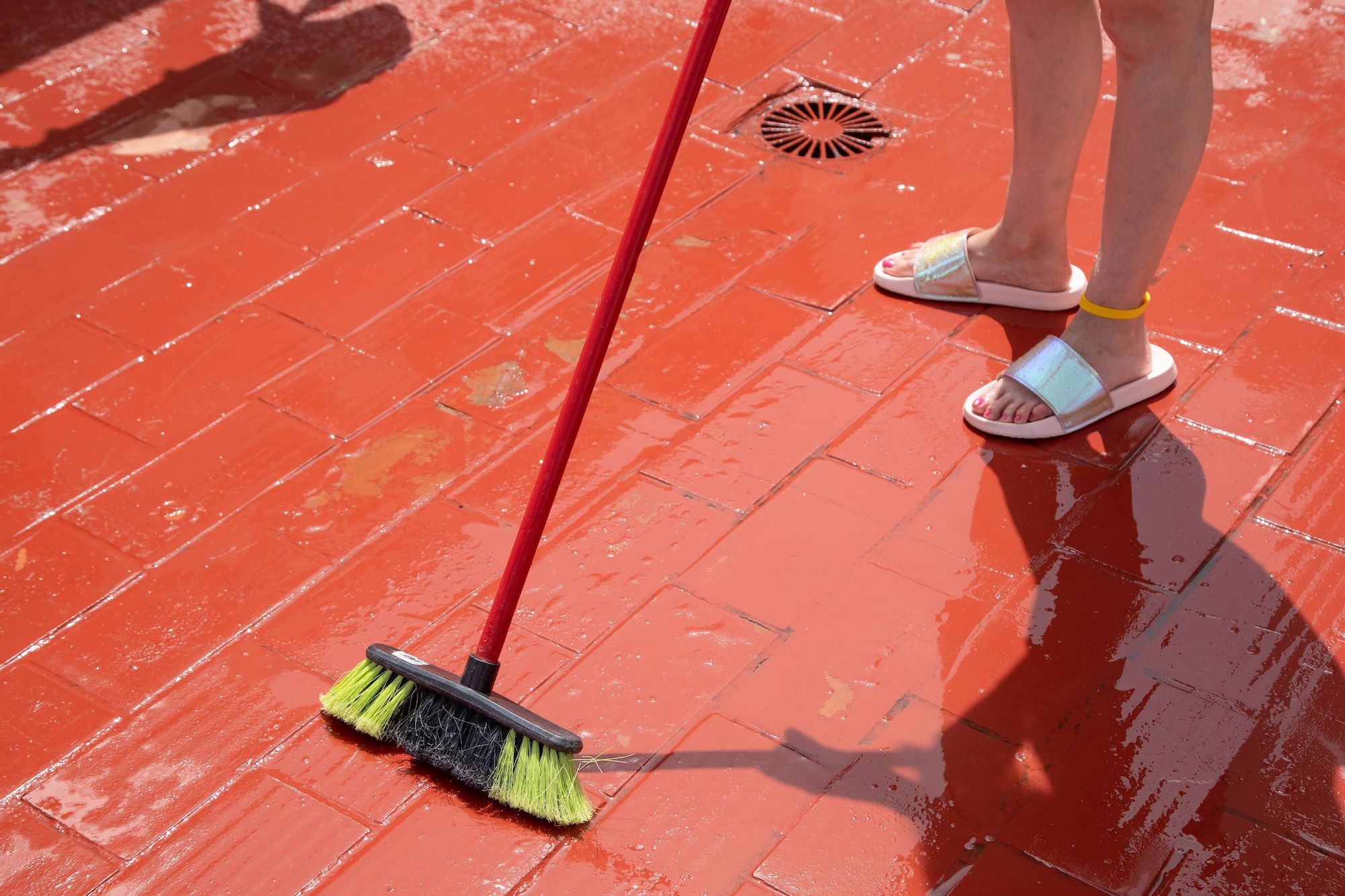
Painting tiles is a concept that is mostly associated with residential projects. That’s because commercial tiles have to be correctly specified for their environment for safety, performance and longevity. Painting over a tile invalidates the original properties of the tile, which is why it isn't something that isn't recommended for commercial settings.
In a domestic home, painting over wall tiles in a bathroom or kitchen can sometimes work provided certain conditions are met. The tiles must be clean, dry and free from cracks or loose grout.
The surface needs to be properly prepared, including having been sanded, primed with a bonding primer and painted with a product formulated specifically for tile surfaces.
A sealant coat is also required to extend the life of the finish.
The caveats:
Even with correct preparation, painted tiles in a domestic bathroom will typically last only a short while before showing signs of wear. In a shower enclosure, the lifespan is even shorter. Continuous exposure to water causes paint to lift at the edges, particularly around grout lines. Once peeling starts it accelerates quickly.
Floor tiles present additional challenges, since paint on a floor surface is subject to far greater mechanical stress than paint on a wall. Foot traffic, furniture movement and the occasional dropped item will degrade the finish. On a floor, the result rarely holds up for more than a few years, even with a durable enamel top coat.
To summarise: The honest position for residential use is that painting over tiles works best on walls, in low-moisture areas with realistic expectations about longevity. It is a temporary cosmetic measure, not a substitute for a proper renovation.
Commercial Applications
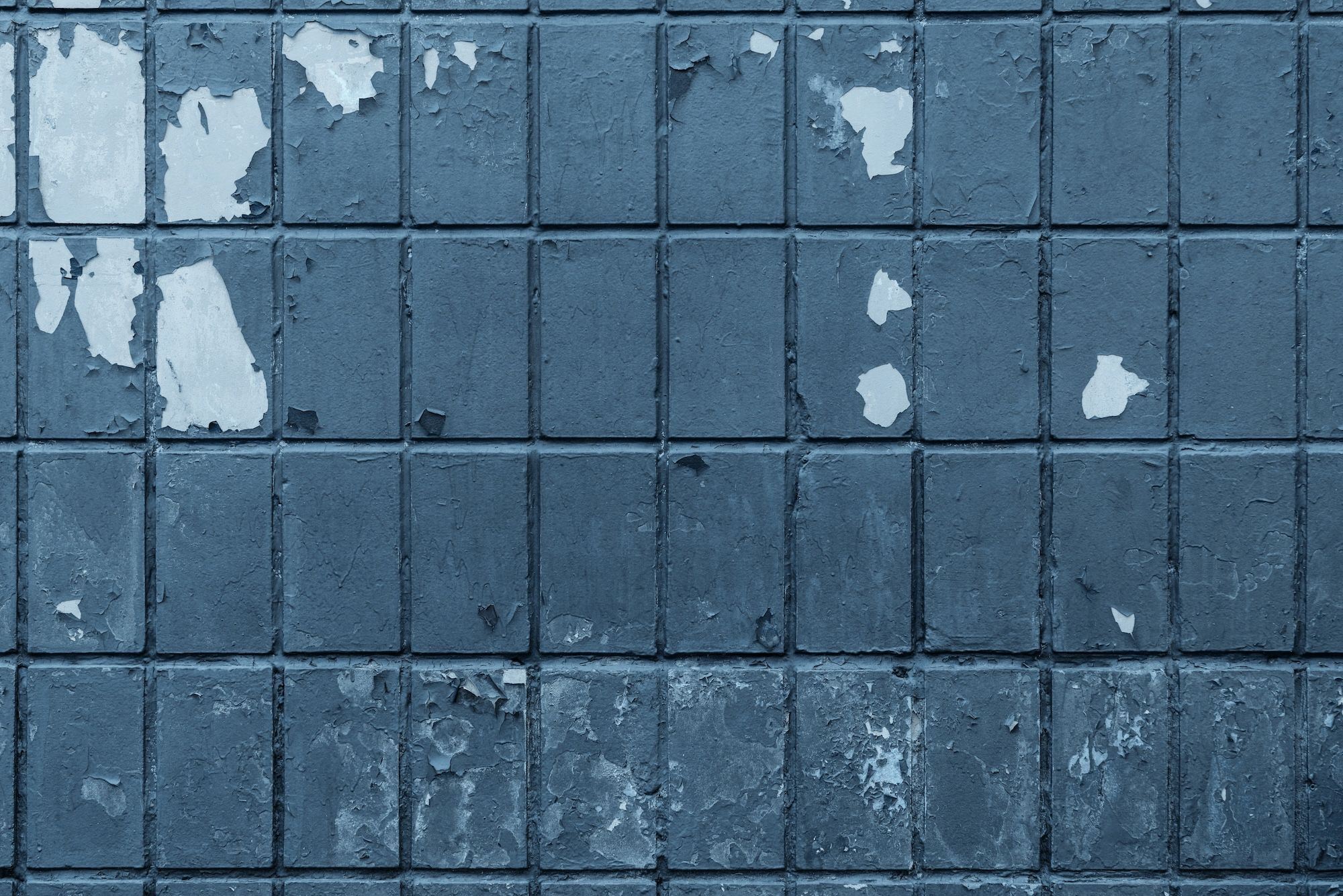
In a commercial context, the case for painting over tiles is considerably weaker. In most cases, it should not be considered at all.
How paint can impact the safety and performance criteria of a tile:
Slip resistance is the most critical concern. Tiles specified to a particular PTV (Pendulum Test Value) or R-rating are tested in their manufactured state. Paint adds an uncontrolled surface layer that changes the friction coefficient. It could reduce slip resistance below the specified rating, which in a commercial setting creates liability under the Workplace (Health, Safety and Welfare) Regulations 1992 and the Occupiers' Liability Act 1984.
Water absorption and porosity are also affected. Tiles are classified under BS EN 14411 by the absorption group (BIa through BIII). A paint layer can alter how the surface behaves with water, particularly if it chips or becomes porous over time, undermining the performance the tile was specified for.
Chemical and wear resistance ratings apply to the tile's glaze or surface finish. Paint is typically far less durable than a fired glaze or through-body porcelain, so the tile's rated abrasion class (PEI rating) and chemical resistance (Class 1-5) would no longer be representative of the actual surface performance.
Thermal and hygiene performance can be compromised in commercial contexts, particularly in food preparation or healthcare environments where surface impermeability and cleanability matter for compliance with hygiene standards.
Warranty and manufacturer liability would almost certainly be voided. Any performance claims made in the original specification are tied to the tile as tested and manufactured.
To summarise: For commercial specifiers, painting over tiles is not a recognised maintenance or refurbishment approach. It voids manufacturer warranties, removes the performance credentials associated with the original specification and creates compliance risk.
The Elephant In The Room: The Tiles Probably Needs Replacing
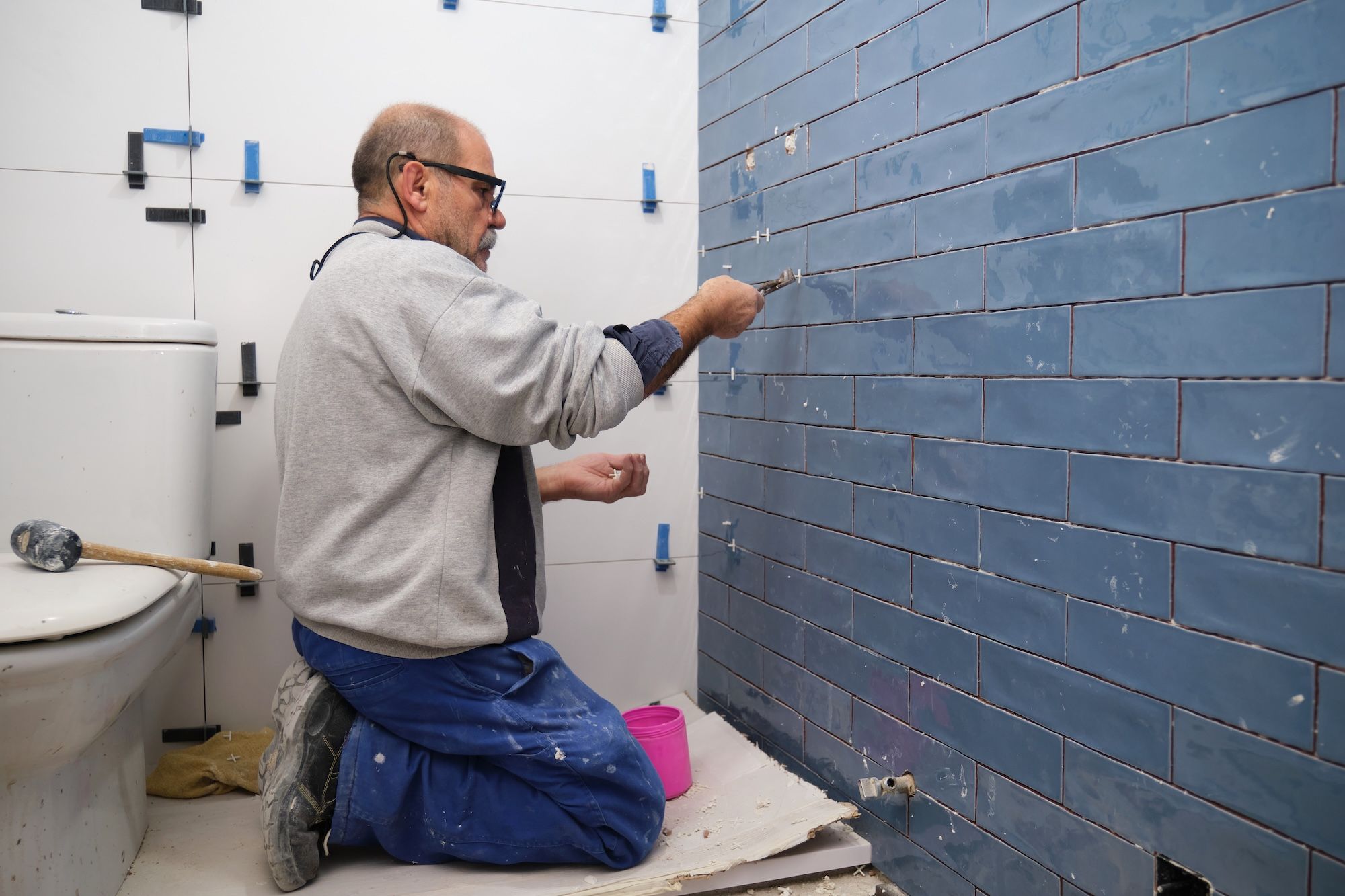
In the majority of cases where someone is considering painting over tiles, the real answer is that the tiling installation needs to come out.
This is especially true where:
- Tiles are cracked, chipped or have loose or failing grout
- There is evidence of damp, mould or moisture ingress behind the tiles
- The substrate has degraded
- The installation is in a wet or high-traffic area where paint simply will not hold
- The tiles are specified for a commercial environment with strict regulatory performance requirements
Painting over these problems does not resolve them. Instead, it merely conceals them temporarily while the underlying issues continue to develop.
Cracked tiles that allow moisture into the wall will cause the same damage regardless of what is applied to the face. Likewise, failing grout will not be stabilised by a coat of paint. Mould growth behind a tile cannot be addressed by covering the surface.
The cost argument for painting is also less straightforward than it appears. A paint job that lasts a short while, followed by the cost of stripping the painted surface before re-tiling, often costs far more than if the the tiles had been properly replaced at the start.
Professional tile removal and replacement in a standard bathroom takes one to two days. The disruption is finite and the result is long-lasting.
Even for residential projects, the range of contemporary tile options available at most price points makes replacement a more rewarding long term investment than a painted surface that will need revisiting within a few years.
Ultimately, if the goal is a result that lasts, replacement of the tiles is not the expensive option. It is the correct one.
Are Your Tiles Long Overdue A Refresh? Find Your Perfect Tile At Parkside
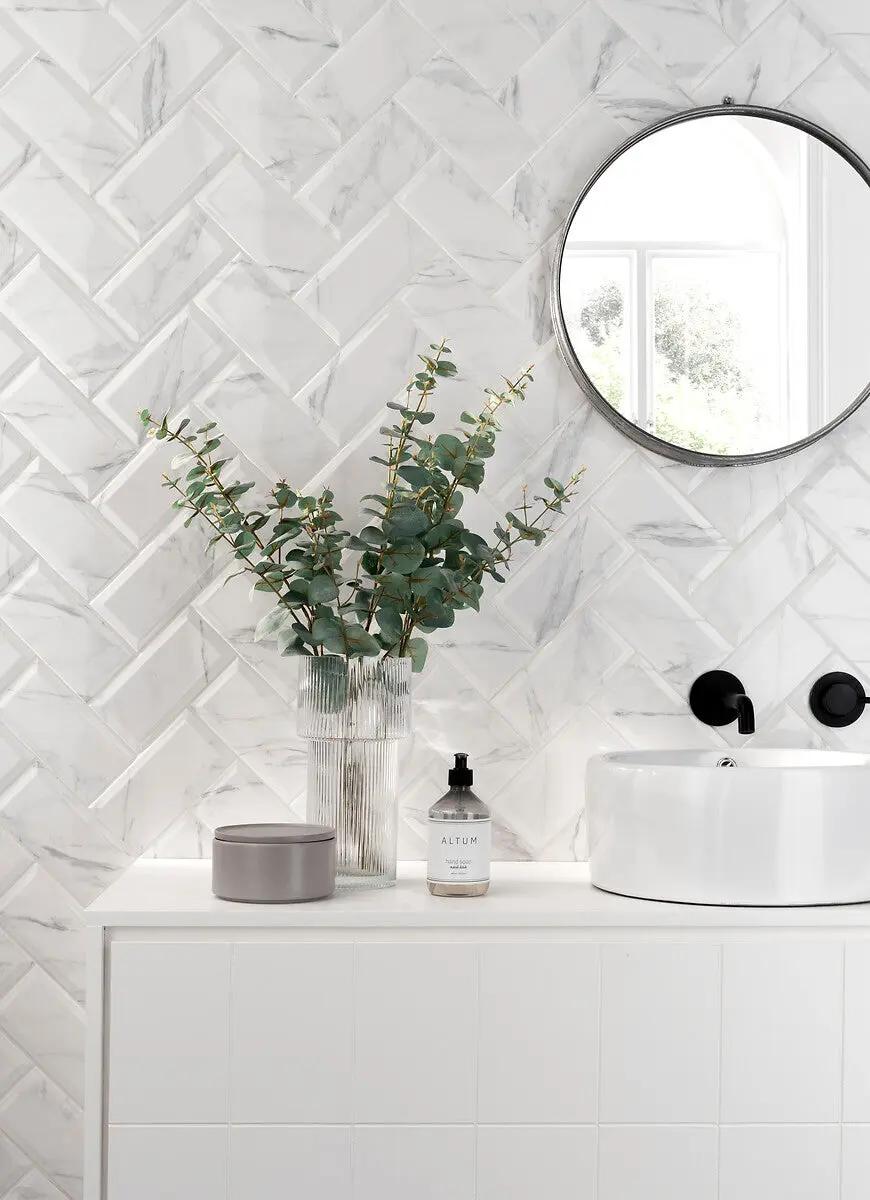
Like the above bathroom wall tile idea? It's from our Adger range.
If your existing tiles no longer work due to age or aesthetics, then replacing them is a good call.
At Parkside, we work with commercial clients to help specify tiles to ensure that they meet every objective of their space. Beyond aspects such as slip-resistance, we can also explore other properties that may be important to your project, such as sustainable tiles.
All of our tiles are available to view on our website. We can also send you free samples for your project.
For further help or advice on selecting the right tile for your project, please send us a message or give us a call on 0116 276 2532.

